
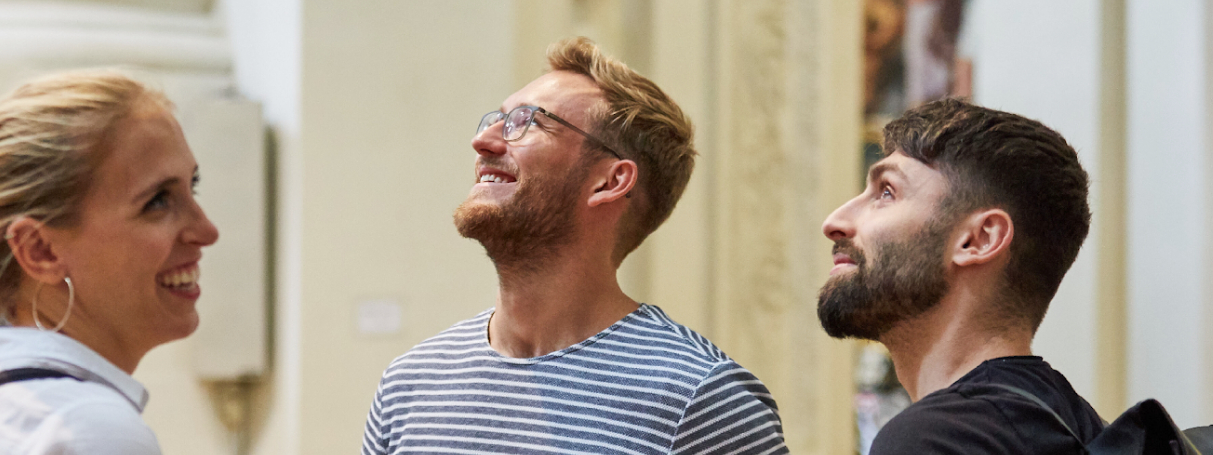
New international Master’s Program: Systems Entrepreneurship and Transformation
At OpenHubs, we share opportunities that foster innovation, positive change, and international cooperation. The new international Master’s program Systems Entrepreneurship & Transformation at Munich University of Applied Sciences brings all three together.
Offered in cooperation with the Strascheg Center for Entrepreneurship (SCE) and the Social Entrepreneurship Akademie, the four-semester part-time program equips professionals from diverse backgrounds with the skills to understand complex societal systems and actively drive transformation in organizations and society.
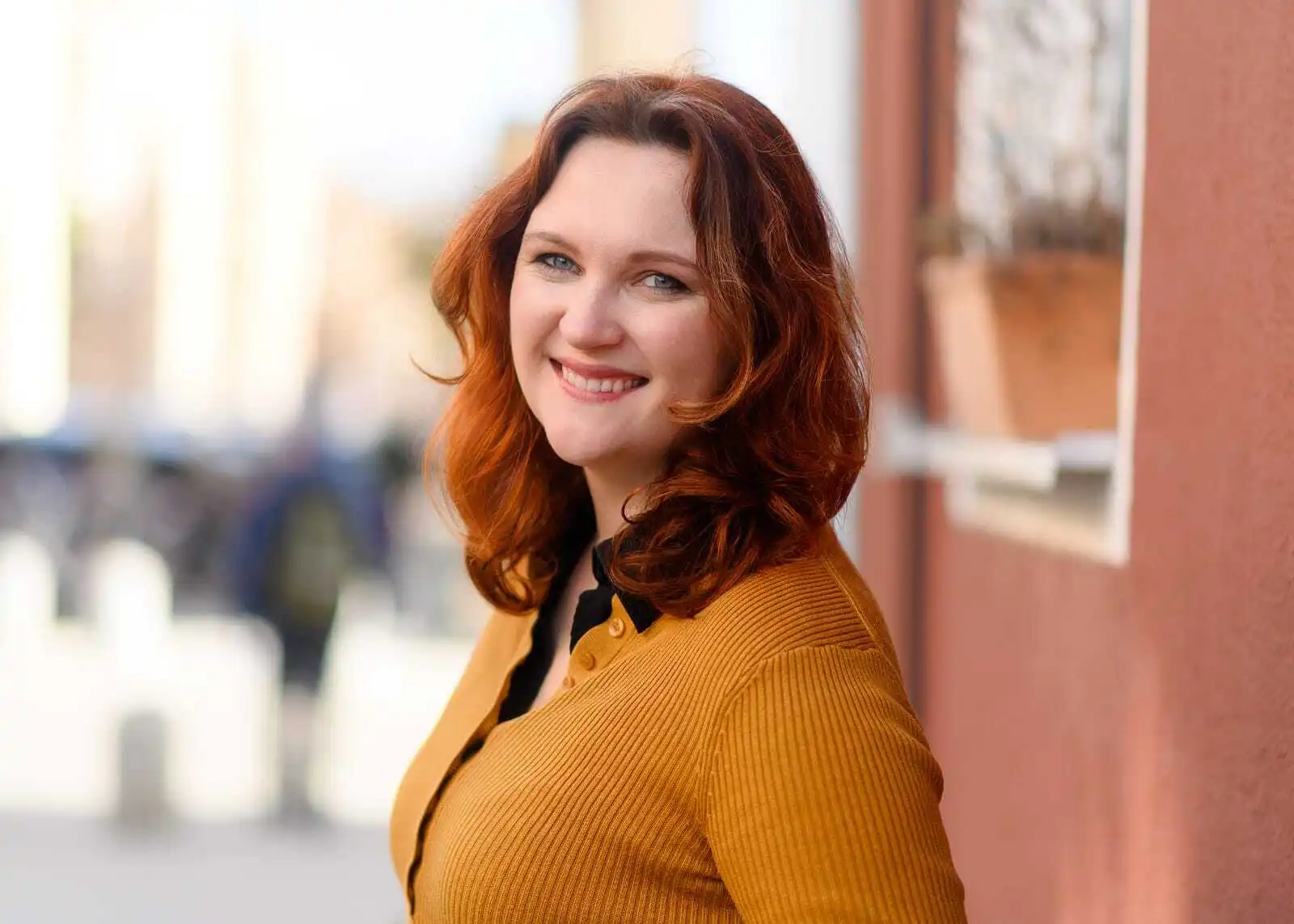
Verena Knerich, Head of Qualification at SCE, answered our questions about the program
Quick Questions
Three reasons why someone should apply?
- The program recognizes that today’s challenges – from climate change and social inequality to technological disruption – are interconnected and cannot be solved through isolated solutions.
- It runs over four semesters, part-time and mostly online, so it fits around a job.
- Each cohort is limited to 30 international participants from different disciplinary backgrounds, creating opportunities for closer exchange, collaboration and individual interaction.
What makes this program different?
You will meet in person in The Hague, Rome and Sarajevo as well as Munich, so you see the same system through very different eyes.
Who’d you love to see applying?
- Professionals and aspiring leaders
- Entrepreneurs and innovators
- Public sector and NGO professionals
- Interdisciplinary thinkers who want to connect perspectives from business, technology and social sciences
In depth
We often hear words like "systems", "change" and "transformation". What do you mean by them?
Many programs teach you to solve a problem. We teach you to see the system and connections that keep the problem in place: the relationships, feedback loops and incentives behind it. Think of a traffic jam. If we simply ask “which driver is the problem” we individualise a complex issue. Instead, we need to understand how cars, traffic lights, road width and people’s reactions affect each other. If you want to fix the traffic jam, you need to look at the web of conditions creating them, not just the drivers.
At a global level, complexity is even higher. With so much uncertainty, rapid developments and mounting global issues, it is easy to feel like a cog in the machine, or to not know where to start. Systems thinking turns that around: once you see how the machine works, you can find where you can actually intervene. This program is designed to build that skill and to give you experiences to practise it.
What will participants be able to do after the program?
Graduates can apply these skills in different professional contexts – whether as transformational leaders in established companies, intrapreneurs driving innovation within organizations, entrepreneurs building social ventures, or professionals in public institutions, NGOs and international organizations. The goal is to help them create meaningful systemic impact wherever they work.
Why The Hague, Rome and Sarajevo?
The in-person weeks in the bustling European innovation cities The Hague, Rome and Sarajevo expose participants to different contexts, experiences and approaches to societal challenges. They learn from our international partner universities and from each other, bringing together perspectives they might not encounter otherwise. This helps them develop a more comprehensive understanding of complex systems and build relationships with people who share their ambition. These connections can become a valuable network for creating systemic change long after the program ends.
"Honestly, I would have loved to take part in this program myself."
What brought you to this topic yourself?
I was curious about everything from cultural anthropology to computer science, yet always with a strong focus on practice. There was no program back then that fit, so I designed my own path. One piece was the Global Entrepreneurship Summer School, which had a massive impact on my life and career.
I learned to connect topics that seem unrelated, which is systems thinking in practice, and, most of all, I met like-minded people who wanted to make a difference. It was really inspiring. Honestly, I would have loved to take part in this program myself.
One last thing you’d like to share with our readers?
If you are interested in the program, join the Info Session on 1 December, 5 to 6 PM CET. Apply between 15 November, 2026 and 15 January, 2027 for the upcoming summer semester starting in March 2027 here.
Key facts
- Format: Four semesters, part-time and mostly online, with in-person weeks in Munich, The Hague, Rome and Sarajevo
- Start: Every year in March
- Applications: 15 November to 15 January, followed by a 30-minute conversation
- Requirements: At least a year of work experience and solid English skills
- Cohort size: Limited to 30 people
- Degree: Master of Science
- Language: English
- Fees: 21,000 EUR (5,250 EUR per semester)
- Contact: [email protected]